Digital Wallets: Enhancing Efficiency in Banking Transactions Today
The Rise of Digital Wallets in Modern Banking
In recent years, digital wallets have rapidly transformed the way people engage with banking and financial transactions. These tools, ranging from standalone apps to integrated solutions within smartphones, offer users a seamless way to manage their finances, pay for goods and services, and even transfer money across borders without the need for physical cash or checks.
Popular digital wallets like Apple Pay, Google Wallet, and PayPal have pioneered this movement by providing easy-to-use platforms that connect directly with users’ bank accounts or credit cards. As adoption grows, these tools are increasingly becoming integral parts of the modern banking experience.
Enhancing Transaction Speed
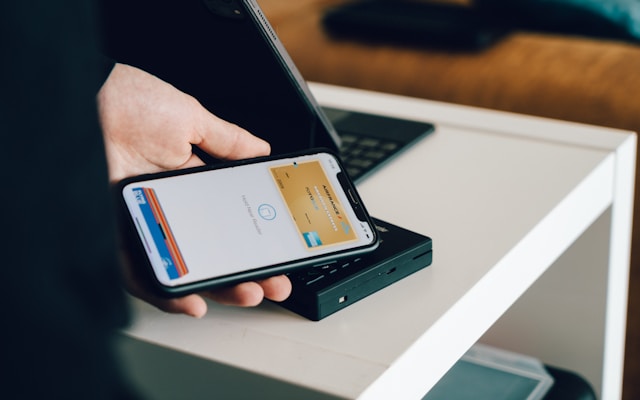
One of the standout advantages of digital wallets is their ability to streamline transactions. By eliminating the need for physical cards or cash, users can complete payments in just seconds with a simple tap on their smartphone or wearable device. This efficiency is particularly beneficial in high-volume retail environments, where reducing transaction time can significantly improve customer satisfaction and throughput.
Consider the workflow at a typical checkout counter:
- The cashier enters the purchase total.
- The customer taps their smartphone to the payment terminal.
- The terminal processes the payment almost instantly and issues a receipt.
This process not only speeds up the transaction but also reduces the potential for errors associated with manually inputting card details or handling cash.
Security Enhancements Offered by Digital Wallets
Beyond speed, digital wallets bring enhanced security measures to financial transactions. Most platforms use encryption and tokenization techniques that protect users’ sensitive information during transactions. For example, instead of transmitting actual card numbers, digital wallets send a one-time code (token) to the merchant. This means even if a transaction is intercepted, the data is unusable to potential fraudsters.
Biometric authentication methods such as fingerprint scanning and facial recognition add an extra layer of security. These features make it much more difficult for unauthorized individuals to access a user’s financial information compared to traditional card usage that relies solely on a physical signature or PIN.
Potential Privacy Trade-offs
While digital wallets offer numerous advantages in terms of speed and security, they do come with privacy concerns. Since these systems often track user behavior and spending patterns to improve functionality and offer personalized experiences, there is a potential trade-off in user privacy.
Financial institutions and third-party providers may use transaction data for targeted advertising or other monetization strategies. Users should be aware of these implications when opting into digital wallet services. Reading privacy policies and understanding what data is collected and how it is used can help mitigate unwanted exposure.
Choosing the Right Digital Wallet
Selecting a digital wallet involves considering factors such as compatibility with existing devices, ease of use, and the level of security offered. Here are some considerations:
- Device Compatibility: Ensure the digital wallet is compatible with your smartphone or smartwatch.
- User Interface: Opt for a platform with an intuitive interface that simplifies transaction processes.
- Security Features: Look for wallets that employ biometric authentication and advanced encryption methods.
Real-World Applications and Case Studies
Numerous businesses have successfully integrated digital wallets into their payment systems. Starbucks, for instance, offers its own app-based payment system that seamlessly integrates with Apple Pay and Google Wallet, allowing customers to load funds onto their Starbucks cards electronically.
Another compelling example is in public transportation systems in cities like London and New York City, where contactless payments via digital wallets provide commuters with an efficient and secure way to access transit services without fumbling for change or purchasing physical tickets.
The Future of Banking with Digital Wallets
The ongoing evolution of digital wallets suggests that their role in banking will only become more significant. With advancements in technology such as blockchain and 5G networks, the capabilities of these platforms are set to expand further. Financial institutions are already exploring how decentralized finance (DeFi) might integrate with digital wallets to offer more comprehensive financial services directly through mobile applications.
Challenges Ahead
Despite their potential, digital wallets face challenges such as ensuring cross-platform interoperability and overcoming resistance from segments of the population who are less technologically inclined. Addressing these issues will be crucial in fostering broader adoption across all demographics.
Conclusion
Digital wallets represent a significant advancement in the world of banking transactions. By enhancing efficiency through faster transaction speeds and improved security measures, they offer tangible benefits for both consumers and businesses alike. However, users must remain vigilant about privacy concerns and carefully choose platforms that align with their needs and values. As these tools continue to evolve, they promise to redefine how we interact with our finances on a daily basis.