Supplementing Retirement Income: Senior Success through Creative Hobbies
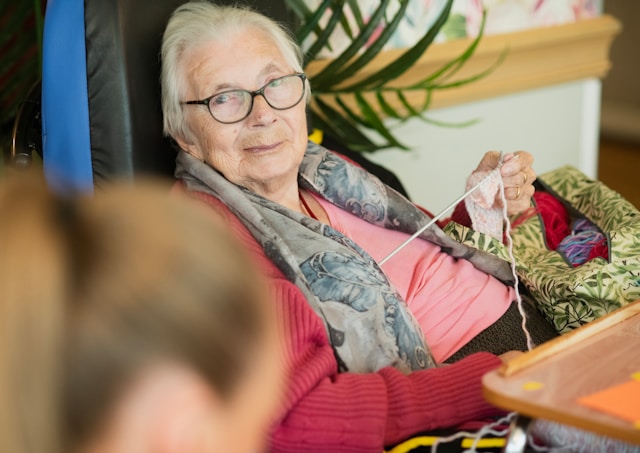
Embracing Creative Hobbies for Financial Gain
Retirement is often seen as a time to relax and enjoy the fruits of one's labor. However, for many seniors, it also opens up the opportunity to explore long-held passions. Increasingly, retirees are finding ways to transform hobbies into income-generating activities. Whether it’s through art, gardening, or any other creative pursuit, these activities not only provide personal fulfillment but also help supplement retirement income.
The Power of Passion: Transforming Hobbies into Ventures
The idea of turning a hobby into a profitable venture is appealing but requires a clear understanding of how to monetize skills effectively. Retirees must evaluate their skills and market demand to determine the best path forward.
Case Study: Margaret's Garden Delights
Margaret, a retired school teacher, always had a passion for gardening. After retiring, she transformed her backyard into a vibrant garden full of vegetables and flowers. Realizing the potential in her produce, she began selling her home-grown vegetables at the local farmers’ market. Her venture, aptly named "Margaret’s Garden Delights," soon became popular among locals.
Practical Steps:
- Identify Demand: Margaret initially gauged the interest by offering samples to friends and neighbors, asking for feedback on taste and quality.
- Set Up Costs: She calculated initial investments in seeds, tools, and market stalls.
- Brand Development: Branding was essential; she crafted simple yet eye-catching packaging that highlighted the organic nature of her produce.
- Build Relationships: Regular interactions at the market helped build a loyal customer base who trusted her brand.
This venture not only generated additional income but also allowed Margaret to engage socially with her community.
Artistic Ventures: Bringing Creativity to the Marketplace
Art can be a deeply rewarding hobby, offering both creative expression and potential financial returns when approached strategically. Art sales can take place online through platforms such as Etsy or locally via exhibitions and fairs.
Real-Life Example: John the Artisan
John, a former engineer, took up woodworking after retirement. Crafting small furniture pieces and decorative items became his new passion. He decided to sell his creations through an online store.
John’s Strategy:
- Learn and Develop Skills: John spent hours improving his techniques through online courses and workshops.
- Digital Presence: He created a visually appealing website showcasing his work, along with a story about each piece.
- Customer Interaction: John maintained a blog where he shared woodworking tips and engaged with customers, building an interactive community around his craft.
- Leverage Social Media: By sharing process videos and finished pieces on Instagram and Pinterest, John expanded his reach significantly.
Balancing Leisure with Financial Security
While pursuing hobbies for financial gain is exciting, retirees should ensure these activities do not compromise their enjoyment. Balancing leisure and monetary goals is key to maintaining a satisfying lifestyle post-retirement.
Checklist for Balancing Hobby and Profit
- Set clear financial goals, outlining how much you aim to earn from your hobby.
- Designate specific times for work, ensuring there is ample time left for relaxation and social activities.
- Regularly assess market trends to keep your offerings relevant without overwhelming yourself.
- Stay flexible; allow yourself room to pivot if interests or market conditions change.
Navigating Potential Challenges
Turning hobbies into profitable ventures isn't without challenges. From understanding taxes related to newfound income to managing production costs efficiently, retirees must navigate various hurdles.
Managing Finances and Legalities
- Understand Tax Obligations: Profits earned from these ventures must be reported. Consulting with a tax advisor can clarify obligations and potential deductions related to business expenses.
- Insurance Considerations: Depending on the activity, certain types of insurance might be necessary to protect against liabilities.
These proactive steps can prevent unexpected issues from arising and ensure that the venture remains enjoyable rather than stressful.
The Emotional and Social Benefits
Beyond financial gains, engaging in creative hobbies offers emotional benefits like reduced stress and increased mental agility. Social interaction often inherent in these activities adds another layer of value.
The journeys of Margaret and John highlight how blending passion with strategic planning can result in a fulfilling and financially rewarding retirement. By aligning their pursuits with market needs and personal interests, they have successfully navigated their post-retirement phase with creativity and joy.