Tax Filing Checklist for Freelancers Operating in Multiple States
Understanding Multi-State Tax Obligations for Freelancers
Freelancers who operate across multiple states often face a maze of tax obligations. Navigating these can be challenging due to varying state laws, registration requirements, and local tax rates. For gig workers, understanding these differences is crucial to avoid penalties and ensure compliance.
The Complexity of State Taxation
Unlike salaried employees who primarily deal with taxes in a single state, freelancers must contend with potentially having to file tax returns in multiple jurisdictions. This complexity arises because many states impose income taxes on all earnings generated within their borders, regardless of where the freelancer resides.
Registration Requirements
Before even beginning work, some states require that freelancers register their business. This process often involves obtaining a Certificate of Authority or a similar license to conduct business. For example, if a New York-based freelancer provides services to clients in California, they may need to register as a foreign entity in California.
- Check specific state websites for registration forms and fees.
- Consider consulting with a legal advisor to understand compliance requirements.
Filing Taxes in Multiple States
Once registered, freelancers must keep track of where they have earned income throughout the year. Some practical steps include:
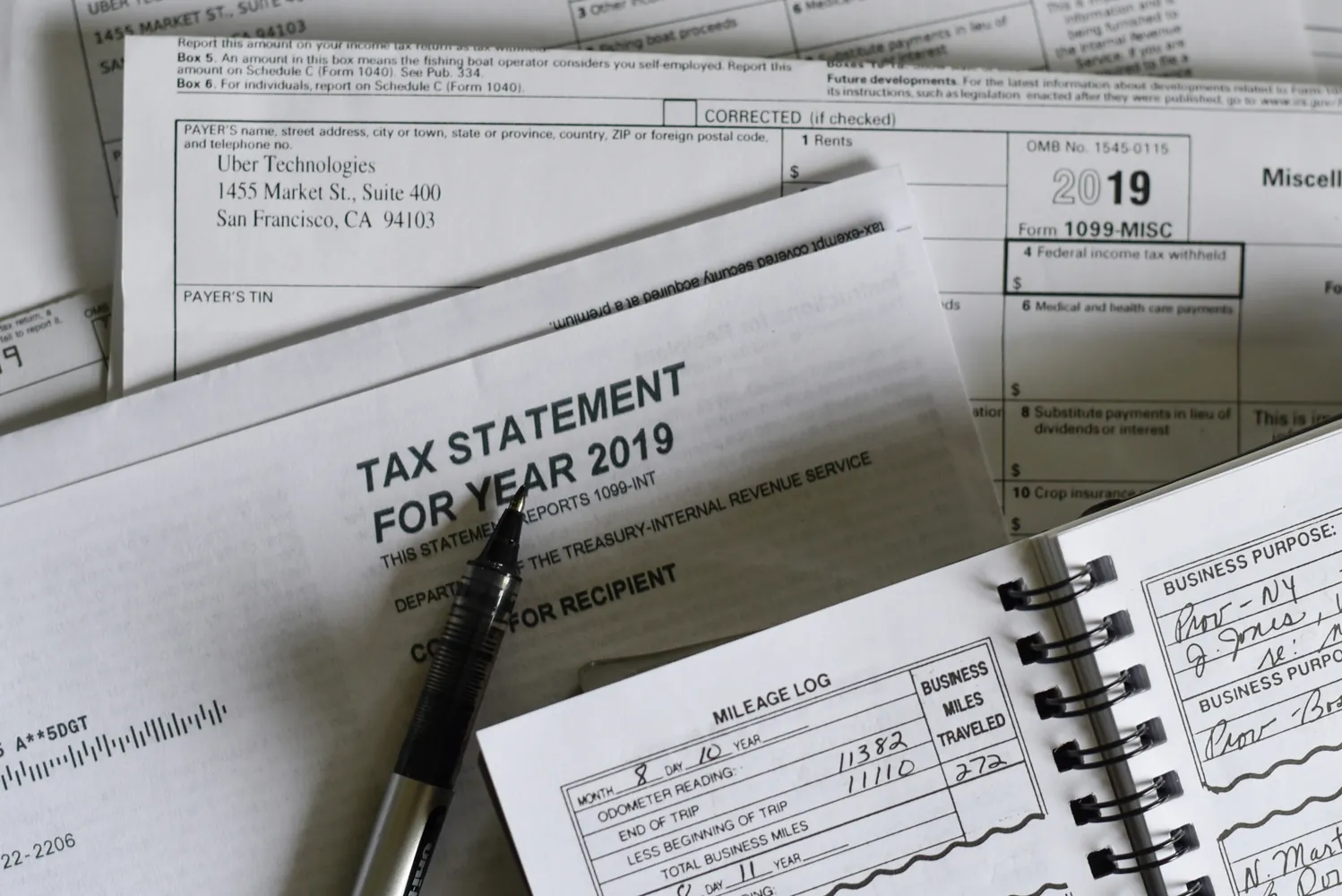
- Maintaining a detailed log of all client engagements and locations where services were provided.
- Using invoicing software that categorizes income by state.
- Storing copies of all contracts and agreements specifying work locations.
Example: A Freelance Graphic Designer
Consider Lisa, a freelance graphic designer living in Oregon. She has clients in Washington, California, and Texas. While Oregon has no sales tax, her work in other states may subject her to different rules:
- Washington: Lisa must pay Washington’s business and occupation tax on the gross receipts from clients based there.
- California: Any income from California requires filing a non-resident tax return due to the state’s taxation laws on income sourced within California.
- Texas: While there is no personal income tax, certain services might be taxed differently based on local regulations.
Practical Steps to Manage Multi-State Taxes
To efficiently manage tax filings across states, freelancers should consider the following checklist:
1. Set Up an Organized Record-Keeping System
Use software like QuickBooks or FreshBooks to track earnings and expenses by state. This facilitates easier calculation of taxable income for each jurisdiction.
2. Know the Deadlines
Each state has its own filing deadlines which might differ from federal tax deadlines. It’s vital to be aware of these to avoid late fees and penalties.
- Create a calendar alert for each state’s filing deadline.
- If necessary, apply for extensions proactively rather than risking late submission.
3. Leverage Professional Help When Needed
If the intricacies become overwhelming, hiring a tax professional familiar with multi-state operations can be invaluable. They can provide tailored advice and ensure accurate filings.
The Impact of Local Tax Rates
Beyond state income taxes, freelancers must also consider local taxes which might apply based on where services are performed or where business transactions occur. Understanding local tax rates helps in setting correct pricing structures and billing clients appropriately.
Example: IT Consultancy Services
A freelancer providing IT consultancy in cities like New York City or San Francisco needs to factor in additional local taxes that aren’t applicable elsewhere. These might include:
- New York City: Has its own additional income tax rate layered on top of state taxes.
- San Francisco: Enforces city-specific business taxes that can affect revenue calculations.
Navigating Interstate Work With Technology
Technology can significantly simplify the complexities involved in interstate freelancing. Tools like tax preparation software tailored for freelancers can streamline processes by automatically calculating what’s owed to each state based on input data.
Using Software Solutions
- TurboTax Self-Employed: This option allows freelancers to input various sources of income and automatically suggests which states require filings.
- H&R Block Online: Provides detailed guidance on multi-state tax obligations and generates necessary forms for submission.
Conclusion
The landscape of multi-state freelancing demands careful planning and attention to detail. By staying organized, informed, and utilizing technology effectively, freelancers can ensure compliance while minimizing stress during tax season. Whether it’s setting up meticulous records or consulting professionals when needed, being proactive is key to managing these complex tax obligations successfully.